easygulffishing.com

Category: Researched Guides

  • How to Compare Deep-Sea Fishing and Diving Trips

    How to Compare Deep-Sea Fishing and Diving Trips

    A deep-sea fishing or diving trip is not simply a choice between two ways to spend a day offshore. Each activity asks different things of the boat, the crew, the passengers, and the conditions. Fishing emphasizes time with permitted gear in the water and room to handle the catch. Diving emphasizes entry and exit procedures, in-water supervision, and a pace built around safely visiting an underwater site. A combined outing can be appealing to mixed-interest groups, but it also requires clearer expectations because neither activity can always receive the same amount of time or attention.
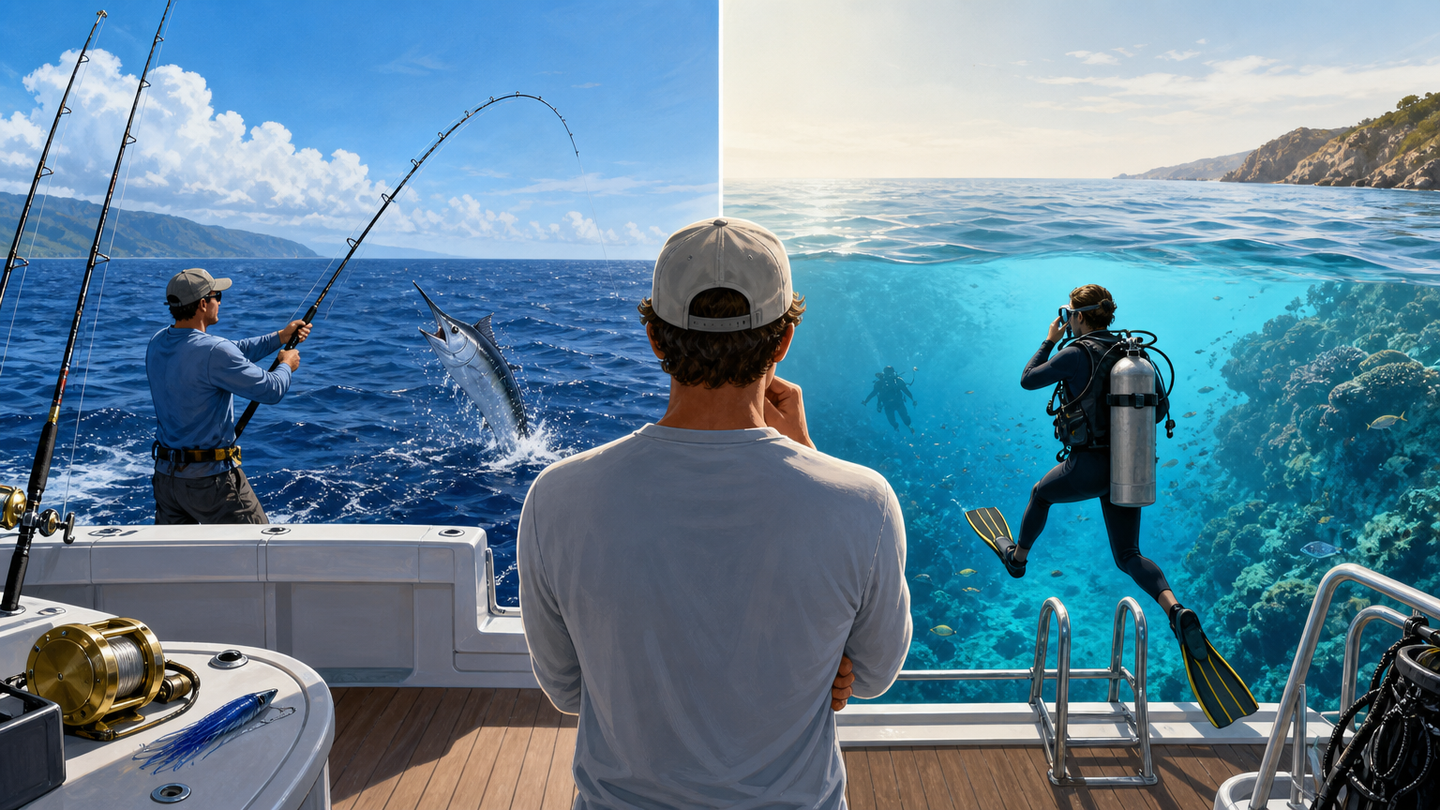
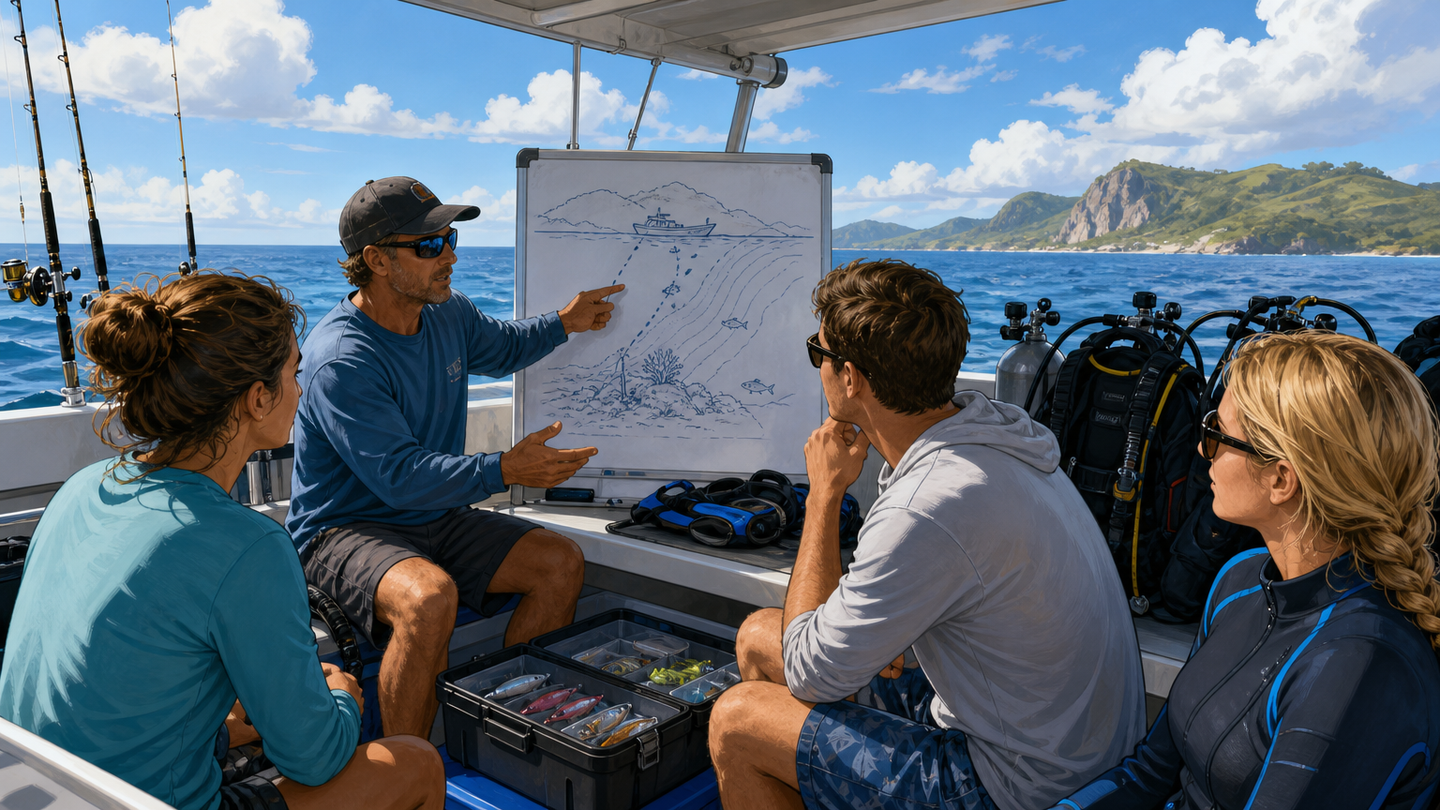
    Supporting editorial scene for How to Compare Deep-Sea Fishing and Diving Trips
    How to Compare Deep-Sea Fishing and Diving Trips: supporting editorial illustration.

    For trips that may visit distant offshore areas such as Flower Garden Banks National Marine Sanctuary, travel itself is a major part of the experience. The sanctuary lies roughly 80 to 125 miles from the Texas and Louisiana coastlines, so the offshore passage is not incidental. It affects how much of the outing is spent underway, how fatigue may affect the group, and how much flexibility remains if conditions change.

    Start by Defining the Alternatives

    A fishing-focused trip is the clearest fit for people whose main goal is to fish. The boat’s rhythm centers on finding an appropriate place to fish, setting up, and allowing enough uninterrupted time for anglers to participate. Ask what style of fishing the trip is designed to support and whether the planned area has gear restrictions. In Flower Garden Banks National Marine Sanctuary, recreational fishing is limited to conventional hook-and-line gear. Spear fishing is prohibited.

    A diving-focused trip is best understood as an offshore dive outing rather than a sightseeing cruise with an optional swim. Divers need adequate time to prepare equipment, enter and leave the water in an orderly way, and recover between dives. The trip also has to account for the experience level of the people aboard. Several sanctuary dive sites are suited to intermediate or advanced divers, and offshore weather, wave heights, and currents can be unpredictable. That does not make a dive trip unsuitable; it means the group’s comfort and training should match the kind of site and sea conditions involved.

    A combined fishing-and-diving trip serves a group with different priorities. It can work well when everyone accepts that the day must be shared. Divers may value the chance to get in the water at a particular site, while anglers may want sustained time fishing. Those goals can compete for boat positioning, deck space, and the schedule. The strongest choice is usually the one that identifies a primary activity rather than assuming both will receive equal time under every condition.

    Compare the Differences That Matter on the Water

    The first comparison point is the group’s experience. A fishing trip can accommodate people with a broad range of comfort levels, but participants should still be prepared for an offshore ride and time spent on an open deck. Diving requires a more specific match: each diver’s training, recent experience, and comfort in offshore conditions should align with the planned activity. Snorkelers and divers do not need a sanctuary-issued permit at Flower Garden Banks, but they must follow sanctuary regulations.

    Next, consider how the boat will be used. Divers need a safe, organized process around the water. In the sanctuary, a moored dive vessel must display dive flags while divers are in the water. Fishing also needs practical working space, especially when several anglers are handling lines at once. On a mixed outing, a crowded deck is not merely inconvenient. It can affect how smoothly gear is managed and how easily the group moves between activities.

    Site rules are another meaningful dividing line. Sanctuary visitors cannot anchor within Flower Garden Banks National Marine Sanctuary. This means a trip plan must operate within rules intended for the protected area rather than treating an offshore site as an unrestricted stop. Rules also differ by destination and jurisdiction, so a restriction that applies inside a sanctuary should not be assumed to apply everywhere offshore.

    For anglers returning to Texas with fish taken in federal waters, licensing deserves separate attention. A Texas fishing license and saltwater endorsement are required for anglers landing those fish in Texas, and federal-water regulations may differ from state-water regulations. This is one reason fishing groups should think beyond the boat itself: the relevant rules may be shaped by where the fishing occurs and where the catch is landed.

    Weigh the Practical Tradeoffs

    Choose a fishing-first trip when catching fish, spending extended time with lines in the water, and participating as an angler matter most to the group. This option avoids the scheduling tension that can arise when divers need the boat and crew focused on water entry, recovery, and site procedures. It is also often the simpler choice when most passengers do not dive.

    Choose a diving-first trip when the underwater visit is the central purpose and the participants are prepared for an offshore dive environment. The tradeoff is that a diving itinerary may be less satisfying for people who expect long, uninterrupted fishing periods. Conditions can also shape what is practical on a given outing. A group that is comfortable adjusting its plans will have a better experience than one expecting the ocean to follow a fixed script.

    Choose a combined trip when the group genuinely values both activities and is willing to make room for each. The key question is not whether both fishing and diving are mentioned in the trip description. It is whether the group can agree on the priority if conditions, timing, or operational needs make a full version of both activities unrealistic. A mixed group often benefits from deciding in advance whether the day is dive-led with some fishing, fishing-led with some diving, or balanced as closely as conditions permit.

    Make the Choice Around Your Real Priorities

    A useful way to decide is to rank three things: the activity that matters most, the group’s offshore experience, and the amount of flexibility everyone can accept. If the top priority is fishing, choose the trip designed around fishing. If it is time underwater, choose the dive-centered option and make sure every diver fits the expected conditions. If the priority is keeping a mixed group together, select a combined plan only when everyone understands the tradeoffs.

    There is no universal winner between deep-sea fishing and diving trips. The best fit is the one whose purpose, pace, participant experience, and operating rules match the day your group actually wants. Verify current trip details and applicable regulations with the relevant operator and government authority before making plans.

    Information may contain errors, omissions, or outdated details. Confirm time-sensitive information with the relevant official or authoritative source.
  • What to Expect on Your First Deep-Sea Fishing and Diving Trip

    What to Expect on Your First Deep-Sea Fishing and Diving Trip

    A first deep-sea trip can be memorable because it takes you beyond the familiar shoreline and into an environment that operates on the ocean’s terms. Whether you are heading out to fish, dive, or joining a trip that accommodates both activities, the experience calls for more preparation than a casual day near the beach. Travel offshore can be substantial, conditions can change, and the rules may be different from those closer to shore.

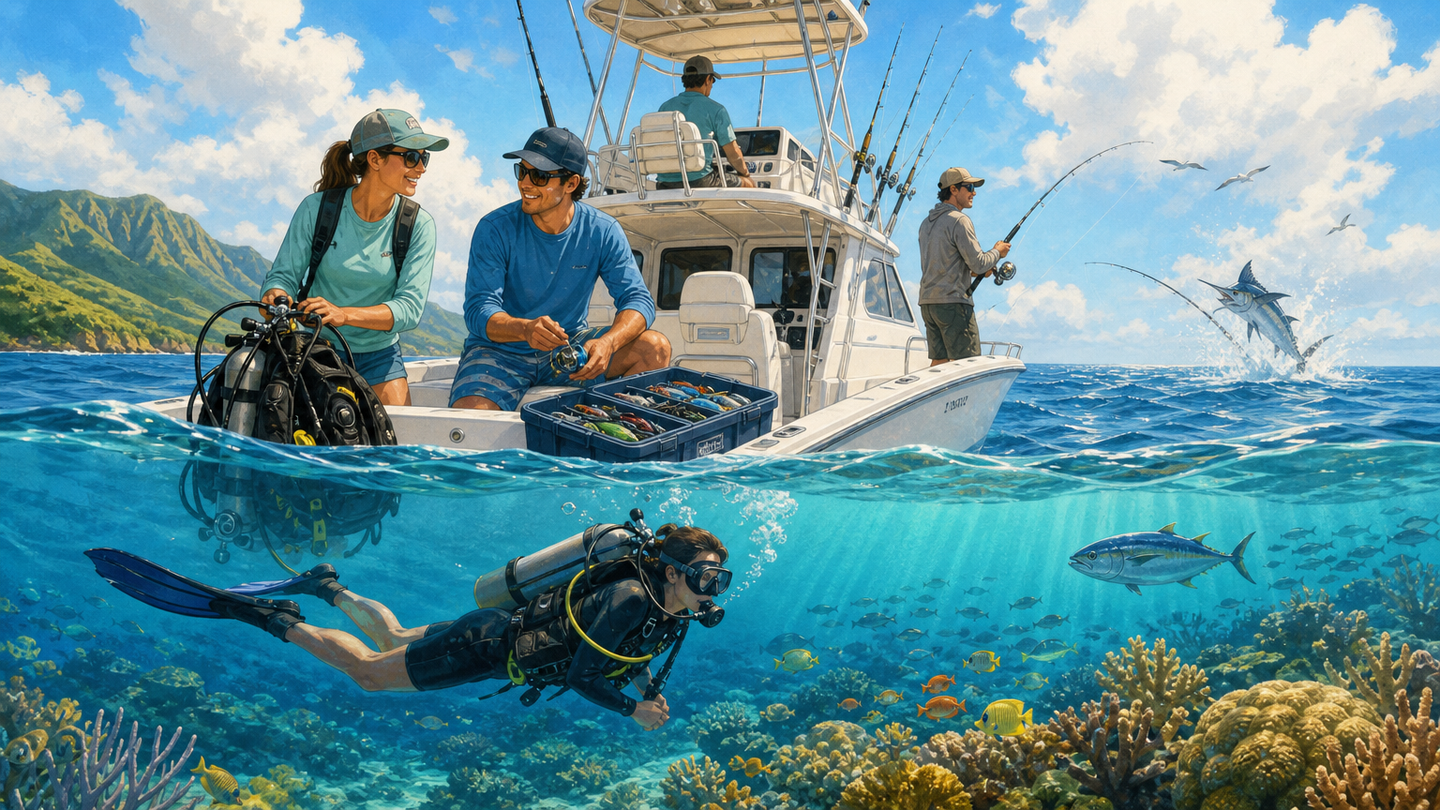
    Supporting editorial scene for What to Expect on Your First Deep-Sea Fishing and Diving Trip
    What to Expect on Your First Deep-Sea Fishing and Diving Trip: supporting editorial illustration.

    The best first trip is not necessarily the most ambitious one. It is the one that matches your comfort level, experience, and goals while giving you a clear understanding of how the boat will operate.

    Before the First Experience

    Start by deciding what you want from the trip. Deep-sea fishing and offshore diving are often discussed together, but they are not interchangeable activities. A fishing-focused outing is organized around fishing methods, permitted gear, and the handling of any catch. A diving-focused outing is organized around water entry, dive conditions, supervision, and the timing of dives. Some boats may be set up for more than one activity, but you should not assume that every trip combines them or that each activity receives the same amount of time.

    Distance offshore matters. For example, Flower Garden Banks National Marine Sanctuary lies roughly 80 to 125 miles from the Texas and Louisiana coastlines. A destination that far from land is a genuine offshore commitment, not a quick excursion. The boat ride is part of the day, and the return trip matters just as much as the time spent at the site.

    For a first diving trip, pay close attention to the stated experience level. Several offshore sanctuary dive sites are considered suitable for intermediate to advanced divers, rather than automatic beginner destinations. Offshore weather, wave height, and currents can be unpredictable. That does not make offshore diving inaccessible, but it does mean that a new diver should choose a trip and site that fit their actual training, recent experience, and comfort in open water.

    A fishing trip also benefits from realistic expectations. Offshore regulations can differ from the rules that apply in state waters, and requirements may change according to where you fish, what you catch, and how you return to shore. Anglers landing in Texas with fish taken in federal waters need a Texas fishing license and saltwater endorsement. Treat licensing and catch rules as part of the trip plan, rather than an afterthought at the dock.

    What the Day on the Water May Feel Like

    Expect structure. Offshore boats need a shared plan because everyone is working within the same weather window, travel distance, deck space, and safety procedures. The operator or crew will generally set the rhythm for departure, movement around the vessel, gear storage, fishing areas, water entries, and return preparation. Listening closely at the beginning of the trip makes the rest of the day easier.

    For divers, the boat routine is especially important. Your equipment must be organized so that it is secure during transit and accessible when it is time to prepare. Once the boat is on site, the crew’s instructions about entry, exit, and the location of other vessels are not minor details. In protected offshore areas, moored dive vessels must display dive flags while divers are in the water. That visible signal helps establish that people are below the surface.

    The underwater experience may feel very different from a shore dive. Open water, a moving surface, and changing currents can make simple tasks require more focus. A good first offshore dive is not about proving that you can handle the most difficult conditions. It is about staying aware, following the plan, and recognizing when a site or condition exceeds your comfort level.

    Fishing has its own rhythm of waiting, watching, and responding. Gear needs to be used in the manner allowed for the area, and the crew’s handling instructions may be shaped by local rules as well as practical safety. In Flower Garden Banks National Marine Sanctuary, recreational fishing is limited to conventional hook-and-line gear, while spear fishing is prohibited. Anchoring is also prohibited there. These are site-specific rules, but they illustrate why an offshore visitor should never rely on assumptions drawn from a different fishing ground.

    Questions Worth Asking Before Booking

    A few direct questions can help you select a suitable first trip without turning preparation into a complicated project.

    Is this appropriate for my experience level?

    If you are diving, describe your training and recent diving honestly. Ask how the operator characterizes the site and typical conditions, rather than simply asking whether beginners are welcome. If you are fishing, ask what kind of fishing the trip is designed for and what participants are expected to do themselves.

    Is the trip fishing, diving, or a combination?

    Clarify the purpose of the outing, the expected balance of activities, and whether non-diving or non-fishing companions can participate comfortably. This is particularly important if people in your group have different goals. A trip designed around diving operations may not suit someone hoping for a full day of fishing, and the reverse can also be true.

    What rules apply where we are going?

    Ask about the water jurisdiction, licensing expectations, permitted gear, and catch rules. Protected areas can add restrictions that do not apply elsewhere. At Flower Garden Banks National Marine Sanctuary, divers and snorkelers do not need a sanctuary-issued permit, but they must follow sanctuary regulations. That distinction is useful: lack of a special visitor permit does not mean the activity is unregulated.

    What happens if conditions are unsuitable?

    Offshore conditions are inherently variable. Ask how the operator handles weather, waves, and currents that make a planned location unsuitable. A change of site or activity can be a sensible operational decision, not a disappointing failure. Flexibility is part of responsible offshore recreation.

    Starting With Confidence

    The most useful mindset for a first trip is calm readiness. Arrive knowing your own limits, keep your gear and personal items organized, and let the trip plan guide your expectations. If a crew member gives a direction that differs from what you imagined, remember that the day’s conditions and the boat’s operating needs may require an adjustment.

    Do not mistake confidence for pushing through discomfort. An offshore fishing or diving trip should stretch your experience in a manageable way, not turn uncertainty into pressure. Divers should be prepared to sit out a dive that is beyond their comfort level. Anglers should be ready to follow gear and catch restrictions even when practices may differ elsewhere. Both groups share the same responsibility to respect the water, the vessel, and the people around them.

    A first offshore outing is successful when you return with a better feel for the environment and a clearer sense of what you want to do next. Verify the current requirements, trip arrangements, and destination-specific rules before making plans.

    Information may contain errors, omissions, or outdated details. Confirm time-sensitive information with the relevant official or authoritative source.
  • Deep-Sea Fishing and Diving Trips: Choosing the Right Offshore Adventure

    Deep-Sea Fishing and Diving Trips: Choosing the Right Offshore Adventure

    Deep-sea fishing and offshore diving trips offer two very different ways to experience open water. One is centered on the pursuit of fish and the rhythm of working lines; the other is about descending into an underwater environment that cannot be reached from shore. Both depend on the same essentials: a capable boat, sound planning, appropriate experience, and respect for the waters and rules of the destination.

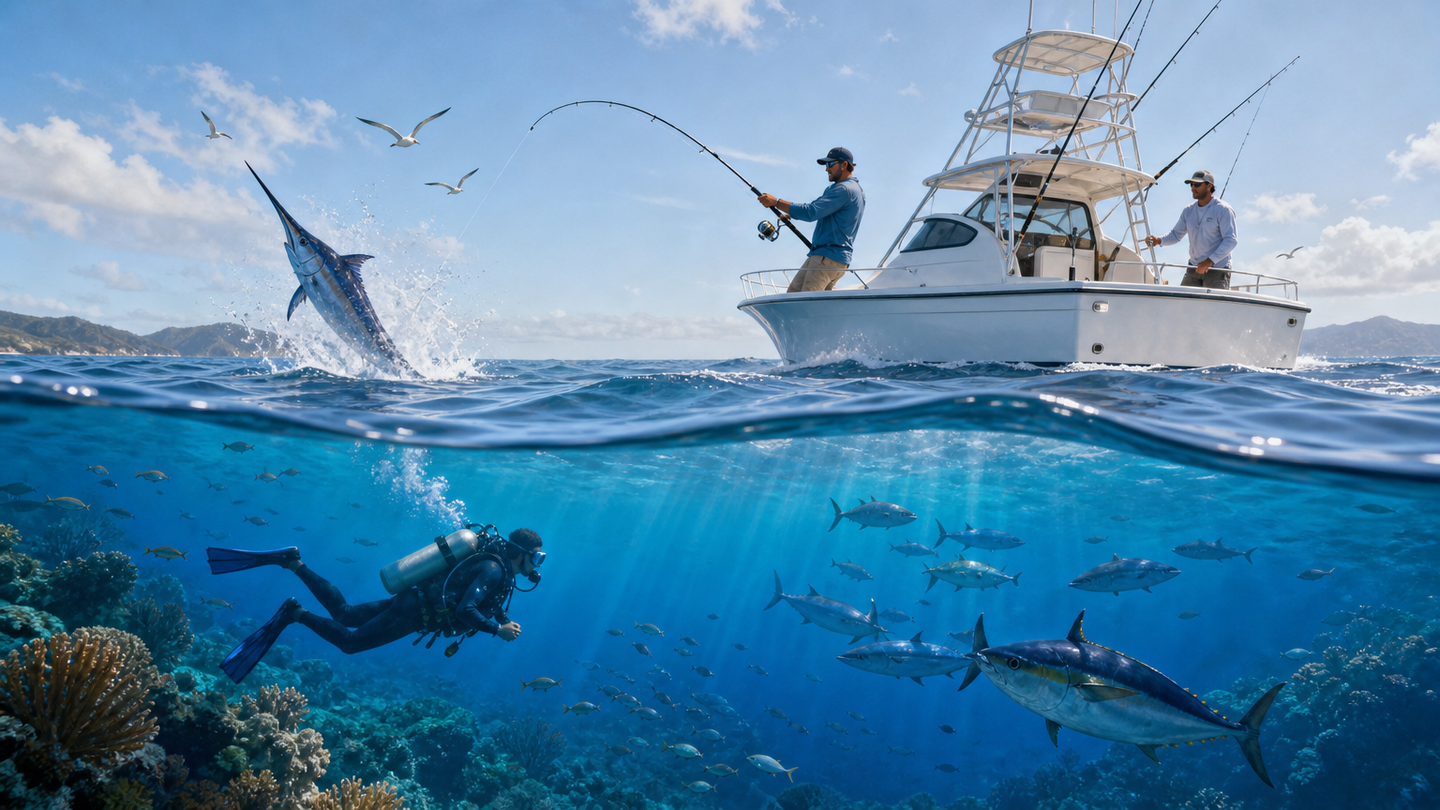
    Supporting editorial scene for Deep-Sea Fishing and Diving Trips: Choosing the Right Offshore Adventure
    Deep-Sea Fishing and Diving Trips: Choosing the Right Offshore Adventure: supporting editorial illustration.

    For Gulf Coast visitors and residents, offshore destinations can involve a meaningful run from land. Flower Garden Banks National Marine Sanctuary, for example, lies roughly 80 to 125 miles from the Texas and Louisiana coasts. That distance helps explain why an offshore outing is not simply a longer version of a beach-day activity. Travel time, changing conditions, boat procedures, and personal readiness all shape the experience.

    Understanding Offshore Fishing and Diving Trips

    A deep-sea fishing trip generally takes anglers beyond nearshore waters to fish from a vessel in deeper offshore areas. The practical focus is usually on boat handling, fishing methods, lawful gear, and the way fish are managed after they are caught. A diving trip has a different pace: participants prepare equipment, enter the water in organized groups, follow the vessel’s procedures, and return to the boat after their dive.

    Some offshore operators may accommodate anglers and divers on different outings, but these activities should not be treated as interchangeable. Fishing needs room for lines, gear, and active movement on deck. Diving requires careful entry and exit procedures, a clear system for tracking people in the water, and surface awareness from the vessel. When divers are in the water, a moored dive vessel in Flower Garden Banks National Marine Sanctuary must display dive flags.

    The setting also matters. Offshore conditions can change more quickly and feel more demanding than protected coastal water. Weather, wave height, and currents may be unpredictable, and several sanctuary dive sites are suited to intermediate or advanced divers. The appeal of offshore travel is real, but so is the need to choose an outing that matches your actual comfort and capability rather than your most ambitious plan.

    Choosing a Trip That Fits

    Start by deciding what you want the day to be about. A fishing-focused trip is the better fit if the main goal is time with rod and line, learning onboard fishing routines, and participating in the practical work of an offshore catch. A dive-focused trip suits people who want their time organized around underwater exploration and who already have the experience appropriate to the conditions.

    Your experience level should guide the decision early. A person who is comfortable in the water is not automatically prepared for an offshore dive, just as a casual shore angler may need help adapting to a boat-based fishing day. Offshore trips introduce motion, open-water exposure, equipment logistics, and less immediate access to shore. Be candid about previous diving, boating, and fishing experience when choosing an outing.

    It is also useful to think about the trip’s physical demands. Offshore travel can mean extended time aboard a moving vessel before the primary activity begins. Diving adds the work of managing personal equipment and moving safely between deck and water. Fishing can involve standing, handling tackle, and responding quickly when a line is active. Choose a plan that leaves room for enjoyment rather than turning the day into an endurance test.

    If your group has mixed interests, avoid assuming everyone will enjoy the same format. Someone excited by fishing may find repeated dive preparations slow, while a diver may not want their limited offshore time organized around fishing. A clearly fishing-oriented or diving-oriented trip often produces a better experience because the boat routine, equipment setup, and expectations are aligned from the start.

    Practical Considerations Before Leaving Shore

    Offshore adventures begin with the vessel plan. Know whether the outing is designed for fishing or diving, what participation is expected of guests, and how the operator handles offshore conditions. The sanctuary itself does not operate trips, so visitors use independent charter and dive listings when arranging transportation and activities.

    Regulations are part of trip planning, not an afterthought. Rules may change with the destination, the jurisdiction, the species involved, and the type of activity. In Flower Garden Banks National Marine Sanctuary, anchoring is prohibited. Recreational fishing is limited to conventional hook-and-line gear, and spear fishing is prohibited. These restrictions are specific to the sanctuary, so do not assume they apply in the same way everywhere offshore.

    Licensing can also depend on where you fish and where you land your catch. Anglers landing in Texas fish taken in federal waters need a Texas fishing license and saltwater endorsement, while fishing rules in federal waters may differ from those in state waters. Treat that distinction as a basic planning issue, especially when a trip travels far enough offshore to cross jurisdictional boundaries.

    Divers and snorkelers do not need a sanctuary-issued permit to visit Flower Garden Banks National Marine Sanctuary, but they must follow the sanctuary’s regulations. That does not remove the need for personal readiness. A diver should be able to use their equipment comfortably, follow the boat’s entry and return procedures, and make conservative choices when offshore conditions are less welcoming than expected.

    Putting the Guidance to Use

    A successful offshore day starts with a realistic match between the activity, the group, and the conditions. Choose fishing when your priority is angling and the active work of fishing from a boat. Choose diving when underwater time is the central purpose and your experience fits the site. If either activity will take place in a managed area, build the applicable rules into the plan from the beginning.

    Once aboard, pay attention to the boat routine. Offshore trips work best when guests know where to keep personal items, respect the working areas of the deck, and follow directions during movement, equipment handling, water entry, and return. For divers, that includes treating dive-flag requirements and surface awareness as central safety practices, not as minor formalities. For anglers, it means using only the gear and methods allowed at the destination.

    The best mindset is attentive rather than rushed. Conditions offshore may alter how a day feels, even when the destination is familiar. Let the experience be shaped by safe vessel practices, the needs of the group, and the rules that protect the area you have come to enjoy. Before making plans, confirm current trip operations and applicable requirements with the operator and relevant government agency.

    Information may contain errors, omissions, or outdated details. Confirm time-sensitive information with the relevant official or authoritative source.